Health, Water, Angola, Mozambique

Salt and solar power for safe water in Angola and Mozambique

Project in preparationPlanned duration: 6 monthsStart: as soon as funding is secured
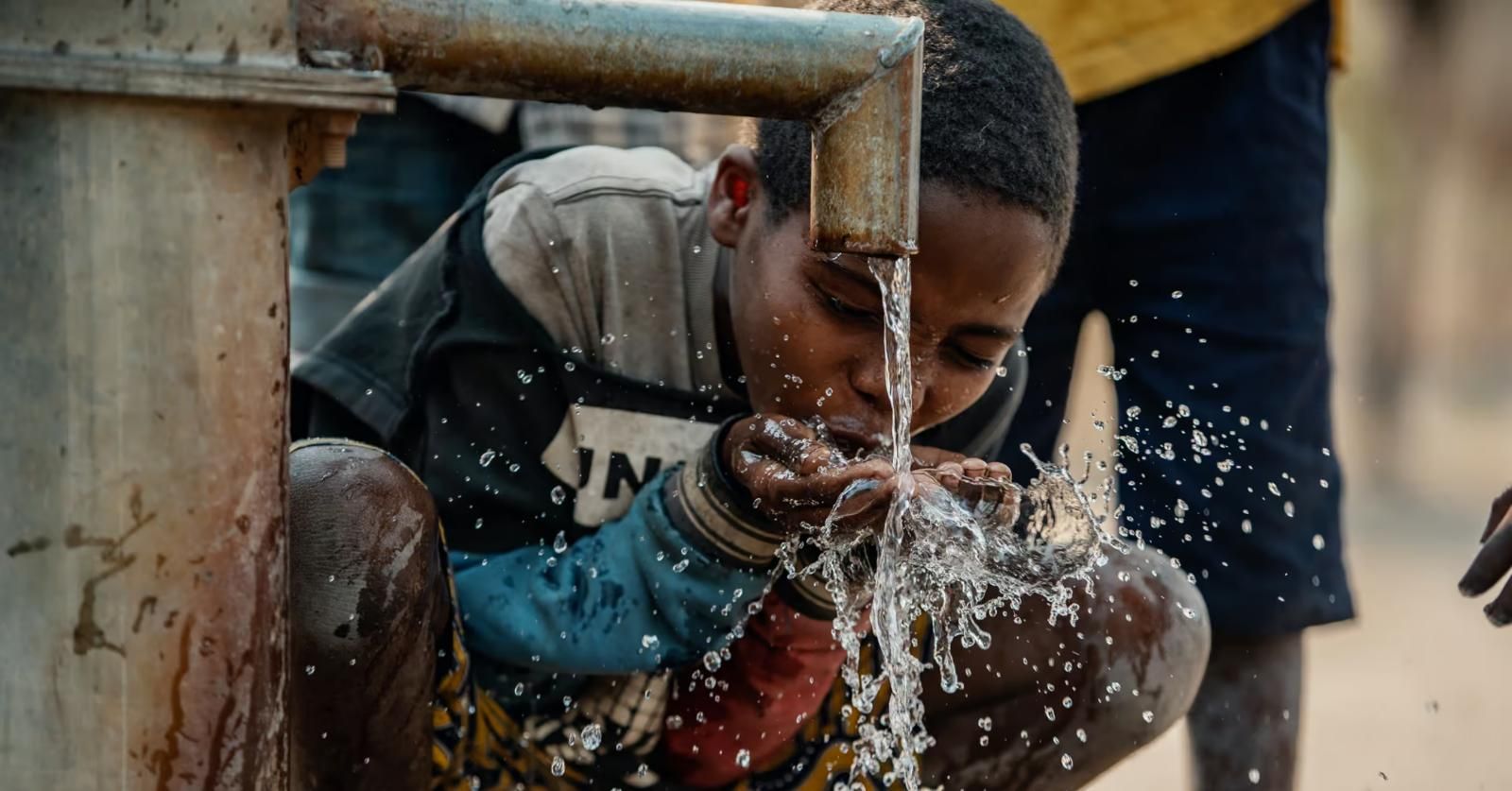
Child drinking clean water from a tap, Angola
Photo: ForAfrika, Angola
Angola
Mozambique

Together with the Swiss technology partner WATALUX, we plan to install solar-powered WATA units in three hospitals in Angola and two community water supply systems in Mozambique. The units will produce chlorine on site, using nothing but water, salt and solar power.

18,000people are set
to benefit*
5sites: 3 hospitals,
2 water supply systems
2countries:
Angola and Mozambique
6months planned
pilot phase

* ForAfrika estimate (concept note, September 2026): around 5,000 patients and staff at each of the hospitals in Bocoio, Chongoroi and Cubal in Angola, and around 3,000 people in the communities of Nakuka and Unidade A Sede in Cabo Delgado Province, Mozambique.

1. Project design

Chlorine from salt,
water and sun

Remote hospitals keep running out of chlorine because of import delays, unreliable supply chains and high costs. Without chlorine, disinfection comes to a halt and many communities distribute untreated water. At the same time, a reliable power supply is often missing.

WATA technology solves this problem directly on site: electrolysis turns salt water into a 0.5 % chlorine solution. A solar unit with battery storage supplies the power. A single unit is thus meant to secure two things at once: disinfection in the hospital and clean drinking water.
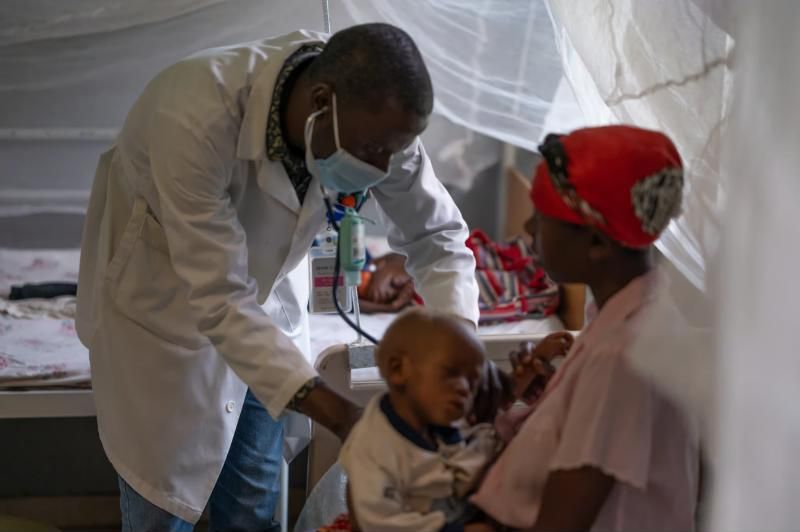
Doctor examining a toddler in hospital, Angola
Bocoio Municipal Hospital, Angola: one of the three planned pilot sites. Photo: ForAfrika

How WATA works

Water + salt25 g of salt per litre of water: that is all the raw material it takes.
›
Solar powerSolar panels and a battery, even without a power grid.
›
0.5 % chlorine solutionProduced directly on site and tested batch by batch.
›
Disinfection & drinking waterFor hygiene in the hospital and safe water from the reservoir.
25 gof salt are enough to disinfect around 2,500 litres of clear water with WATA technology.
>95 %lower chlorine production costs: this was shown by a feasibility study with WATA in Ghana (2025) compared with the previous method.

Why this project is needed

Cholera is transmitted through contaminated water. Clean, chlorinated drinking water and consistent disinfection in hospitals are therefore among the most important protective measures.

72 %of Angola's rural population have no access to basic drinking water services.
7,446cholera cases have been recorded in Benguela Province since the end of 2024. This is where the three planned pilot hospitals are located.
40,000+cholera cases since 2022: Mozambique is experiencing its worst outbreak in 25 years.

Sources: WHO/UNICEF Joint Monitoring Programme, WHO Regional Office for Africa, UNICEF Mozambique.

2. Goals

Clean water and hygiene
where they are lacking

Around 18,000 people are set to benefit: patients and staff in three hospitals in Angola and families in Cabo Delgado Province, Mozambique.
Continuously available, tested chlorine for disinfection and infection prevention in hospitals, without supply shortages.
Safe drinking water for hospitals and communities, treated with WATA chlorine and stored in reservoirs.
Independent of the power grid: solar panels and battery storage keep production running even where there is no electricity.
At least two trained operators per site, so that the units continue to run reliably after the pilot.
Sharing insights: the results will be open to authorities and partners as a basis for scaling up to further sites.

3. Project structure

Six months, six steps

The pilot will be embedded in ForAfrika's existing health and water programmes. The country offices in Angola and Mozambique are responsible for implementation, while the ForAfrika Global Support Office provides technical guidance and compares the results from both countries.
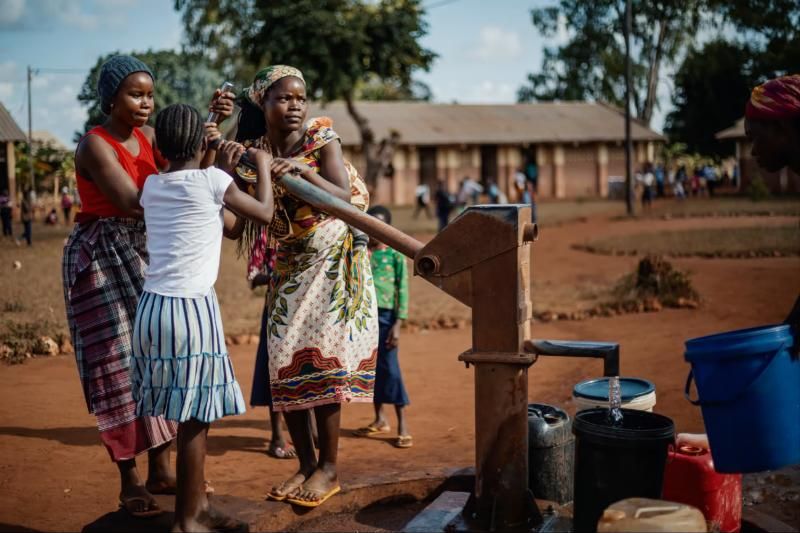
Women and children collecting water at a hand pump, Mozambique
In Mozambique, the pilot focuses on community water supply systems. Photo: ForAfrika
  1. 1.
    Site selectionSelection of hospitals and water supply systems based on clear criteria, written commitment from those responsible and approval from the relevant authorities.
  2. 2.
    PreparationRooms, water supply and storage reservoirs are prepared, operators are appointed and salt is procured.
  3. 3.
    Installation and trainingForAfrika installs the units and solar blocks with support from WATALUX. The first batch is then tested for 0.5 % and local staff are trained.
  4. 4.
    Regular operationDaily chlorine production for disinfection and drinking water. Each batch is recorded in a production log.
  5. 5.
    Support and monitoringMonthly visits by the country offices; data on chlorine quality, water, power and salt stock feed into a shared dashboard.
  6. 6.
    Evaluation and scale-upThe pilot ends with a report per country and a recommendation on whether and how the technology should be extended to further sites.

4. Partnership

Swiss know-how,
African implementation

WATA is a Swiss technology distributed by the social enterprise WATALUX. ForAfrika contributes more than 40 years of experience and deep roots in the communities. Together, we combine proven technology with local implementation.

For WATALUX, the pilot provides additional field data from areas not covered by an earlier study in Ghana: purely solar-powered operation, drinking water treatment with storage reservoirs and use in community water supply systems.

WATALUX

Technology & training
  • Technical advice on units and solar blocks
  • Support with installation and commissioning
  • Training of operators with certification of competence
  • Remote support and maintenance instructions throughout the pilot

ForAfrika

On-site implementation
  • Site selection and coordination with the authorities
  • Procurement and installation of units, water storage and infrastructure
  • Monthly support for hospitals and water committees
  • Data collection, evaluation and reporting
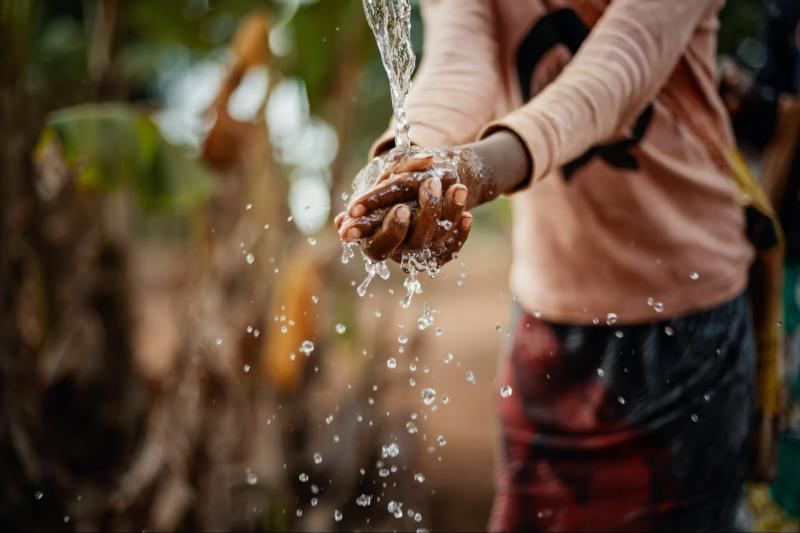
Hands under running water

Are you a foundation or a company and would like to support the pilot? Contact us
Donate now

Donate now and help Africa thrive!
Donations to Schweiz ForAfrika are tax-deductible.

TOP