CHF 16'000 von CHF 51'400 gespendet
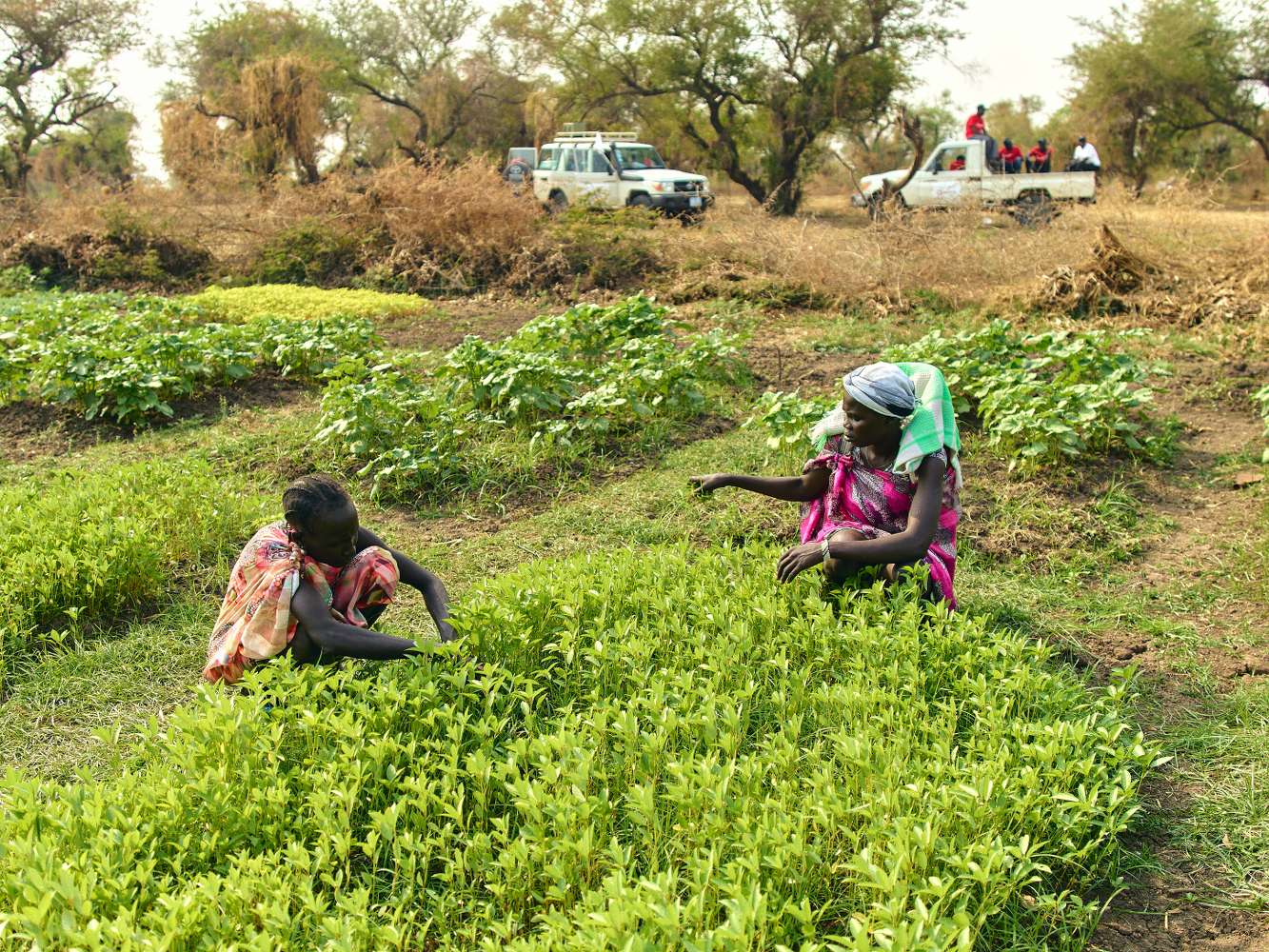
Despite large arable lands and abundant water resources, the Central African Republic is among the countries with the highest levels of food insecurity in the world. Recurring conflicts, displacement, and underinvestment force many households into subsistence farming, which is further challenged by degraded soils, irregular rainfall, and limited market access. Women and youth are often excluded from decision-making processes and have only limited access to resources. This project addresses these challenges and aims to improve household food security and strengthen sustainable livelihoods in the communities of Dekoa and Kaga Bandoro.
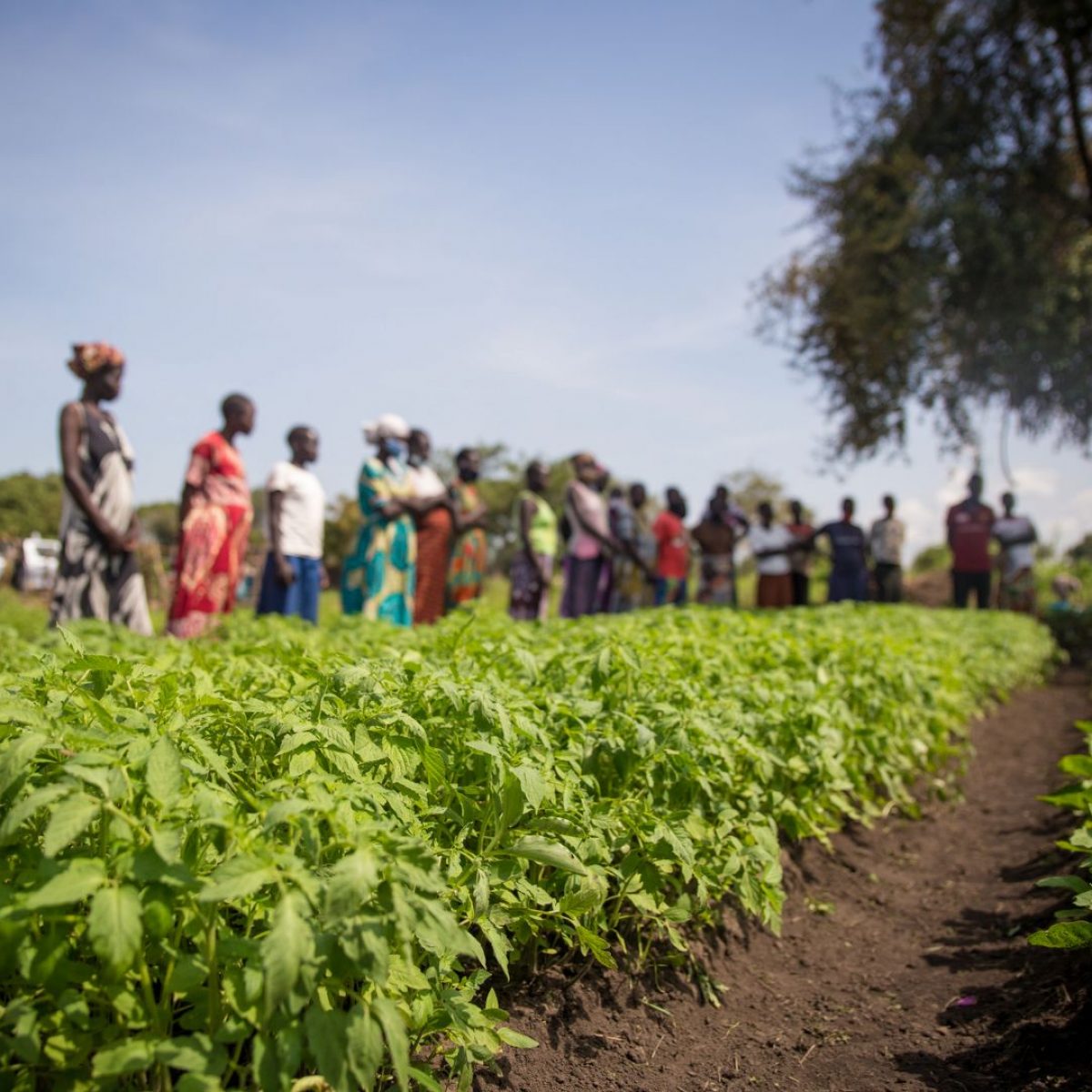
As part of this pilot project, key structures are being established to allow for future scaling and to lay the foundation for sustainable and long-term self-reliance. The measures target 300 particularly vulnerable rural households (around 1,800 people) to secure their livelihoods and strengthen their economic prospects.
The project not only addresses acute malnutrition but also seeks to break the long-term cycle of poverty by promoting economic education and encouraging active participation of the local community.
Provide basic food security to 300 rural households (approximately 1,800 people)
Establish 10 fully operational Village Savings & Loan Associations (VSLAs), collectively managing over USD 5,000 in community savings.
Enhancing governance and community structures to ensure lasting resilience beyond the duration of the project.
Train 40 youth and women in regenerative agriculture and micro-entrepreneurship.
Connect 4 producer groups with local traders and formalize purchase agreements.
Create 3 Community Stewardship Committees and train members in project planning and monitoring.
Evaluation of lessons learned from the project as a basis for future initiatives, projects and strategies.
The initiative progresses through three complementary phases: Stabilize, Build, and Transform, with each phase focused on priorities shaped by community-identified needs and co-created solutions.
The project implements an integrated set of measures to strengthen food security and sustainable livelihoods. By promoting climate-resilient agriculture, building community-based structures, supporting financial self-help groups, training young farmers, and providing targeted support to women and youth, it sustainably enhances economic independence, market access, and the resilience of participating households.
Providing 300 households with climate-smart input kits containing drought-tolerant seeds, farming tools, and soil improvement materials.
Forming Community Stewardship Committees to serve as local management bodies, monitoring and guiding project implementation.
Combining nutrition and hygiene training with home gardening to enhance immediate household nutrition.
Establishment and training of 10 Village Savings and Loan Associations (70% women and youth) in lending, basic financial literacy, and savings
Launching a comprehensive training and mentorship program for young farmers.
Establishing cooperatives and fostering strong connections between producers and local markets and traders.
Promoting the establishment of small-scale businesses managed by women and youth
With the support of our partners, this agricultural project is improving the lives of thousands. Despite ongoing challenges, together we have created a pathway to a brighter future. We look forward to reaching even more people with your continued support. Thank you!
Donate now and help Africa thrive!
Donations to Switzerland ForAfrika are tax-deductible.